What Is Periodic Maintenance in CNC Machine Tools?
Periodic maintenance in CNC machine tools is an essential maintenance practice performed regularly at predetermined time intervals to ensure that machines operate efficiently, reliably, and with a long service life.


In industrial environments, these maintenance intervals are generally planned:
- Every 6 months
- Or once per year
However, depending on machine usage intensity, these intervals may be shorter or longer.
Proper periodic maintenance planning is critical for:
- Maintaining uninterrupted production
- Preserving machine performance
- Keeping operational costs under control
Is Periodic Maintenance Necessary for CNC Machine Tools?
Unfortunately, the importance of periodic maintenance in the CNC industry has not yet been fully understood in Türkiye.
Many CNC machine users—and even some distributor companies—have not approached this critical issue with sufficient seriousness. In some cases, periodic maintenance has even been viewed merely as an additional revenue source during slow sales periods.
In reality, CNC machine tools are highly complex systems consisting of advanced:
- Mechanical components
- Electronic systems
- Precision motion technologies
just like automobiles, industrial equipment, and other sophisticated mechanical systems.
Moreover, CNC machines directly affect production continuity and profitability. As long as they continue operating efficiently, they continue generating value.
For this reason, regular periodic maintenance is not optional—it is a necessity for maintaining:
- Reliable operation
- High productivity
- Long-term machine performance
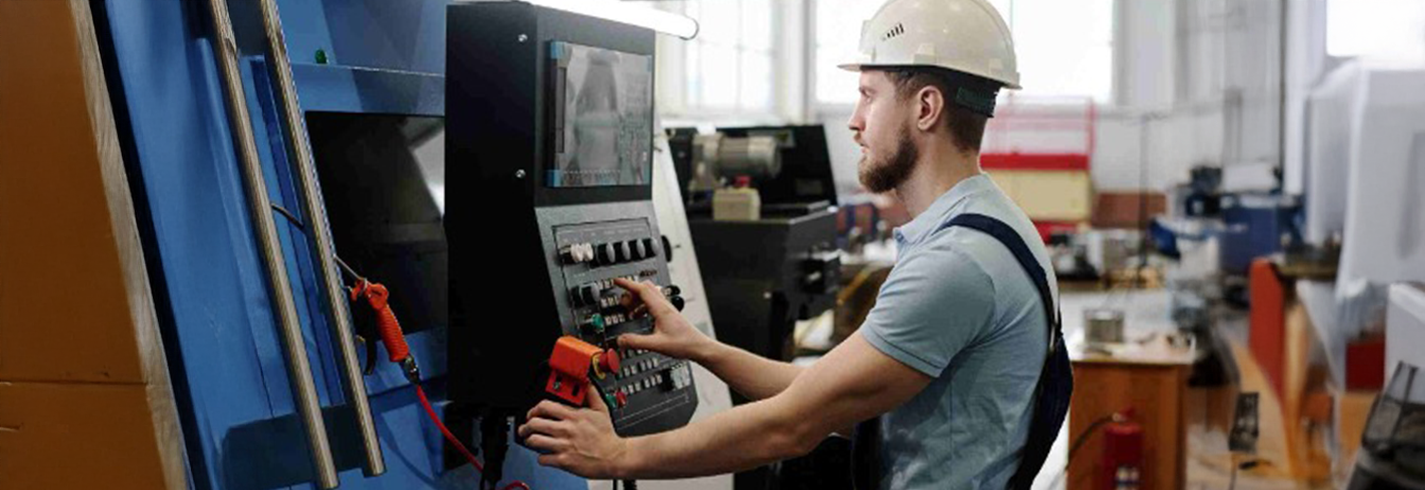
Advantages of Periodic Maintenance for CNC Machine Tools
A CNC machine that undergoes regular periodic maintenance helps reduce operational costs while preventing unexpected production downtime.
Below are some of the key advantages.
Early Detection of Potential Failures
During periodic maintenance, possible future failures can be identified in advance.
This helps companies avoid:
- Unplanned production stoppages
- High repair costs
- Production losses
Reduction of Overall Costs
Machine failure costs are significantly higher than preventive maintenance costs.
With proper periodic maintenance:
- Costs become predictable
- Real operational expenses can be calculated more accurately
- Emergency repair expenses are minimized
Use of Original and Manufacturer-Approved Spare Parts
During maintenance operations, recommended replacement parts should always be:
- Original manufacturer-approved components
instead of: - Cheap aftermarket alternatives that may create larger long-term costs
This ensures that all maintenance operations remain fully reliable and protected under proper quality standards.
Maintaining Original Machine Performance
Periodic maintenance helps preserve:
- Machine efficiency
- Precision
- Production quality
As a result, CNC machines can continue operating at near-original factory performance levels for many years.
Preservation of Factory Calibration Settings
Using advanced measurement equipment during maintenance allows the machine to maintain factory-level settings related to:
- Accuracy
- Precision
- Axis movements
- Geometric tolerances
Potential problems can be identified quickly and resolved efficiently before causing larger operational issues.
Increasing the Second-Hand Value of the Machine
CNC machines with documented regular maintenance records:
- Appear more reliable
- Reduce buyer risk
- Achieve significantly higher second-hand resale values compared to similar machines without maintenance history
As a result, companies are more likely to protect or even increase the value of their machine investments over time.
How Is the Periodic Maintenance Interval Determined?
Periodic maintenance intervals are not identical for every machine.
To determine the correct maintenance schedule, expert technical teams should evaluate several important factors, including:
- Machine model
- Working hours and production intensity
- Type of processed material
- Environmental conditions
- Spindle and axis loads
- Required production precision levels
After analyzing these parameters, the most suitable maintenance interval can be established for the specific machine.
It should never be forgotten that:
Periodic maintenance performed at the wrong time cannot fulfill its intended purpose.
Conclusion: Periodic Maintenance Is Essential for Continuous Production
Periodic maintenance in CNC machine tools is one of the most important maintenance practices for:
- Detecting failures before they occur
- Extending machine lifespan
- Preserving machine performance
- Reducing operational costs
Through regular maintenance, manufacturers can ensure both production reliability and long-term protection of their machine investments.