What Is a CNC Lathe Machine? How Does It Work?
Lathe machines, considered one of the fundamental technologies of the manufacturing industry, have existed since the 19th century. Today’s CNC lathe machines are far more advanced, automated, and sophisticated thanks to modern manufacturing technologies. Widely used all over the world, CNC lathes continue playing a critical role in meeting the needs of manufacturers across many industries.


What Is a CNC Lathe Machine?
First, let’s answer the question:
“What is a CNC lathe machine?”
CNC lathe machines operate through Computer Numerical Control (CNC) systems and are managed using highly precise digital machining instructions.
In these machines:
- The workpiece is clamped and rotated by the main spindle
- Cutting tools are mounted and moved against the rotating material
- Material is removed through controlled cutting operations
Because CNC lathes are among the fastest, most precise, and most advanced turning systems available today, they are widely preferred in modern manufacturing environments.
How Does a CNC Lathe Machine Work?
A standard CNC lathe generally operates on 2 axes and contains a turret with approximately 8 to 24 tool stations.
The rotational movement of the workpiece is called turning, which is why these machines are referred to as CNC lathes.
In addition to turning operations, CNC lathes can also perform:
- Milling
- Drilling
- Tapping
These operations are usually powered by separate drive systems integrated into the turret.
Depending on the application, live tooling can be mounted for:
- Axial machining
- Radial machining
These advanced capabilities are commonly found in 3-axis CNC lathes and CNC turning centers.
CNC Turning Centers and Advanced Configurations
CNC lathes equipped with advanced features such as:
- Y-axis capability
- Sub-spindles
- Automation systems
are generally referred to as Turning Centers.
These highly sophisticated machine tools are capable of machining extremely complex parts.
Unlike conventional turning systems, turning centers can complete multiple machining processes in a single setup, including:
- Turning
- Milling
- Drilling
- Tapping
By completing a raw workpiece in one operation cycle, these machines significantly increase productivity and manufacturing efficiency.
What Can Be Produced with a CNC Lathe Machine?
CNC lathes are primarily used to produce precise round geometries on both:
- Outer Diameters (OD)
- Inner Diameters (ID)
Virtually every type of cylindrical or rotational part required across different industries can be machined using CNC lathes.
These machines are widely used in sectors such as:
- Oil and gas
- Automotive
- Aerospace
- Medical industry
- Electronics
- Mining
- Power plants
- Steel industry
- Paper mills
- Shipbuilding
- Construction machinery manufacturing
For this reason, CNC lathes are present in almost every area of modern industrial life.
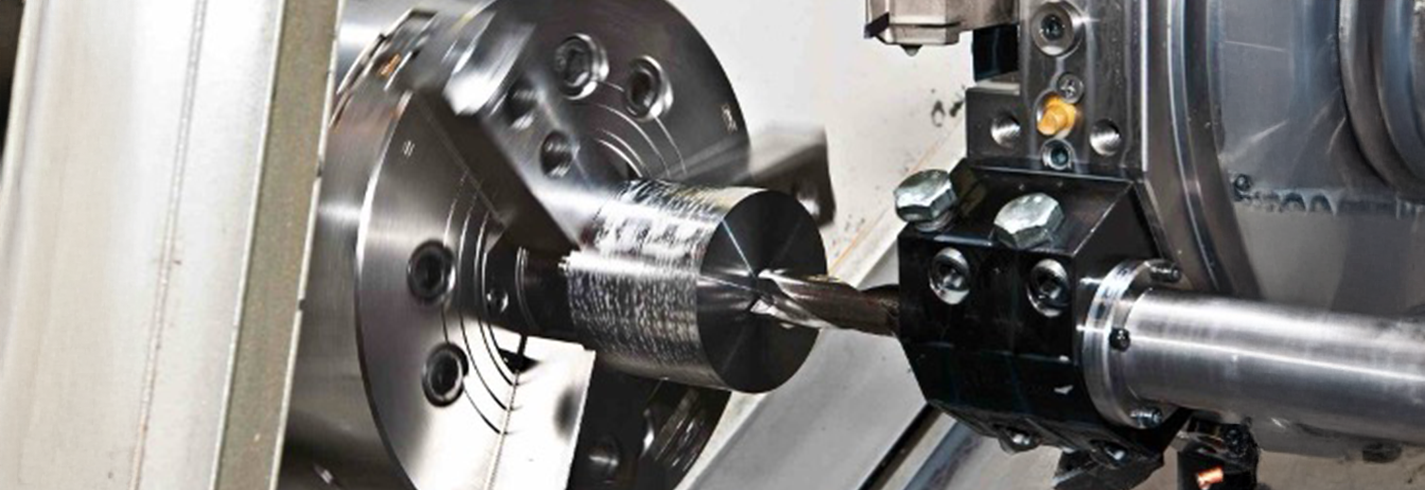
Multi-Axis CNC Lathe Technology
Modern CNC lathes can operate with multiple axes simultaneously.
For example:
- X and Y axes can work together
- A second turret can be integrated
- Additional sub-spindles may be included
These features provide greater flexibility and efficiency for:
- Milling operations
- Drilling operations
- Tapping operations
- Complex multi-operation machining
What Determines the Price of a CNC Lathe Machine?
The cost of a CNC lathe machine varies depending on the intended application and technical requirements.
When evaluating the total investment cost of a CNC lathe, several important factors should be considered:
- Country of origin and manufacturer
- Research & development capabilities of the producer
- Quality of raw materials
- Integrated casting structure and machine rigidity
- Machine size and required workspace
- Design and engineering quality
- Technical specifications
- Transportation and logistics costs
What Should Be Considered When Buying a CNC Lathe Machine?
Before purchasing a CNC lathe, manufacturers should carefully evaluate several important points.
Define Your Production Goals
First, clearly determine the product or project you plan to manufacture.
Since CNC machines require significant investment, understanding your production requirements adds long-term value to your investment.
Determine Precision Requirements
Ask yourself:
- How much machining precision is required?
- How important is production speed?
- Would a slower but more precise and economical machine be more suitable?
The answers to these questions help identify the correct machine configuration.
Understand Total Ownership Costs
Especially for first-time buyers considering second-hand CNC lathes, it is critical to evaluate:
- Spare part costs
- Service support availability
- Maintenance expenses
Evaluate the Manufacturer and Supplier
It is important to examine the culture and reputation of the company from which the machine will be purchased.
Strong manufacturers generally survive by developing specialized expertise and maintaining strong reputations within the industry.
Ensure Programming Compatibility
One of the most common mistakes among first-time CNC users is purchasing a machine that is too difficult to program and operate.
Before purchasing, one critical question should always be asked:
“Do I know a programming system capable of operating this machine?”
Consult the Sales Expert
Finally, every question related to CNC lathe machines should be discussed openly with the sales specialist before completing the purchase process.
Choosing the right CNC lathe is not only about buying a machine—it is about building a reliable, productive, and sustainable manufacturing system.