What Is a CNC Operator? What Does a CNC Operator Do?
In today’s industrial manufacturing environment, speed, precision, and quality play a critical role in production success. This is where CNC (Computer Numerical Control) machines come into the picture. CNC operators are the skilled professionals who ensure these machines operate efficiently and accurately, forming one of the most important pillars of modern manufacturing.So, what exactly is a CNC operator, what are their responsibilities, and what skills are required for this profession? In this article, we answer all these questions in detail.


What Is a CNC Operator?
A CNC operator is a specialist who uses CNC machines to process, cut, and shape various materials such as:
- Metal
- Plastic
- Wood
- Composite materials
CNC machines operate through pre-programmed computer software, and CNC operators are responsible for programming, operating, monitoring, and maintaining these systems.
CNC operators are needed across many industries, including:
- Automotive
- Aerospace
- Medical manufacturing
- Mold manufacturing
- Electronics
Because of this wide application area, CNC operation offers strong employment opportunities and long-term career potential.
What Are the Responsibilities of a CNC Operator?
Programming and Machine Setup: CNC operators program machines according to the technical drawings of the parts to be manufactured.
During this process, they actively use CAD/CAM software to create the necessary machining programs and machine settings. Programming is one of the most critical stages of CNC operation because accurate programming directly determines production quality and process success.
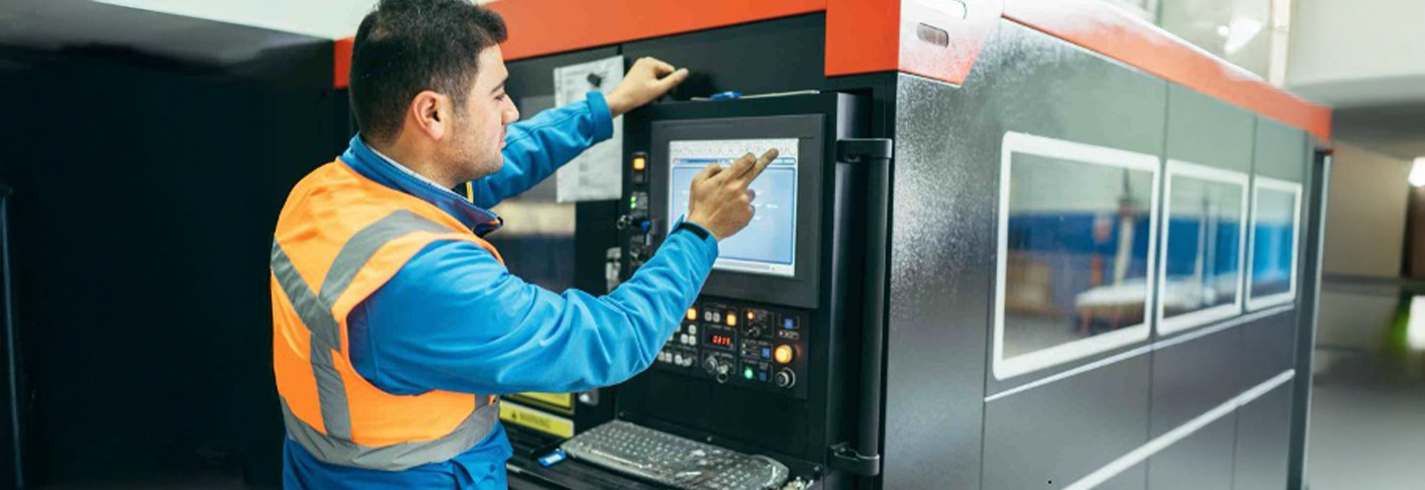
Operating and Monitoring the Machine:CNC operators run the machines and continuously monitor operations to ensure everything functions correctly throughout the machining process.
When necessary, they intervene quickly to prevent interruptions and maintain smooth production flow. Attention and fast reaction capability are extremely important during this stage.
Quality Control: After machining operations are completed, CNC operators inspect the produced parts to ensure they comply withTechnical drawings Dimensional tolerance Surface quality requirements If necessary, they make corrections or separate defective parts from production. Quality control is one of the most critical responsibilities in ensuring customer satisfaction and production reliability.
Maintenance and Troubleshooting: CNC operators also perform routine machine maintenance and help resolve potential machine malfunctions.Regular maintenance Extends machine life Prevents unexpected downtime Increases production efficiency Reduces operational costs
Qualifications Required to Become a CNC Operator
Technical Knowledge:CNC operators must have strong knowledge of: CNC machine system CAD/CAM softwar Technical drawings and machining principles .They should also be capable of interpreting engineering drawings accurately and applying them correctly during production.
Attention and Precision CNC machining often requires micron-level precision. Operators must carefully manage every stage of the manufacturing process and perform highly accurate measurements consistently.
Problem-Solving Skills Unexpected machine issues and production challenges can arise at any time. Successful CNC operators must be capable of identifying problems quickly and producing effective solutions under pressure.
Teamwork and Communication CNC operators work closely with production teams, engineers, and quality departments. Strong communication skills and teamwork are essential for achieving shared production goals efficiently.
Advantages of the CNC Operator Profession
High Employment Opportunities
As industrial manufacturing facilities continue to increase globally, demand for skilled CNC operators also continues growing rapidly. Both in Türkiye and worldwide, CNC operators remain highly sought-after professionals.
Career Development Opportunities
CNC operators can advance into positions such as:
- Team leader
- Production supervisor
- Manufacturing manager
- CNC programmer
- Process engineer
The profession offers continuous learning and long-term career growth opportunities.
Working with Advanced Technology
CNC operators constantly work with evolving technologies, advanced software, and modern manufacturing systems, making the profession especially attractive for individuals interested in technology and innovation.
Competitive Salaries
Because CNC operation requires technical expertise and specialized skills, CNC operators generally earn competitive salaries, which further increases the attractiveness of the profession.
Education and Certifications for CNC Operators
To become a CNC operator, graduating from vocational high schools or technical education programs is generally preferred.
Additionally:
- Technical colleges
- Vocational schools
- Private CNC training courses
- Certification programs
also provide CNC operator training opportunities.
Professional certifications are important tools for documenting competency and advancing careers. Certifications compliant with ISO standards, for example, are often highly valued by employers.
A Profession Built on Precision and Technology
CNC operation is a profession that requires technical expertise, attention to detail, and precision. By working with advanced manufacturing technologies, CNC operators play a vital role in ensuring high-quality production across many industries.
For individuals who enjoy technology, precision work, and continuous learning, CNC operation can be an ideal and highly rewarding career path.